







How to choose the right performance fabric for teamwear

How to Choose the Right Performance Fabric for Teamwear
A Practical Guide to Breathability, Stretch, Durability and Comfort for Different Sports
Choosing the right fabric is one of the most important decisions when developing custom teamwear. A successful sportswear product should not only look attractive and represent the identity of a team, club, academy or brand; it should also perform properly during training, competition, travel and repeated use.
The fabric selected for a football jersey may not be the best choice for a rugby garment. A lightweight running singlet has different requirements from a basketball jersey, while a cricket uniform, cycling jersey, compression garment or training tracksuit requires its own combination of performance characteristics.
For this reason, fabric selection should begin with the sport, climate, activity level, garment construction and intended use rather than simply choosing a fabric based on appearance or price.
At THE PAK FIT INDUSTRY, we work with clubs, brands, academies and businesses to turn designs into comfortable, consistent and export-ready sportswear through product development, fabric selection, sampling, customization, manufacturing and quality inspection.
For customers looking for Sportswear's Manufacturer's from Sialkot Pakistan, understanding the relationship between fabric characteristics and sports performance can make the product development process much more effective.
Overview
Performance sportswear is designed to support movement, comfort and practical use during physical activity.
The right fabric can influence:
- Breathability
- Moisture management
- Drying speed
- Stretch
- Freedom of movement
- Durability
- Comfort
- Weight
- Shape retention
- Color performance
- Decoration quality
- Overall garment appearance
This article shares practical guidance from the THE PAK FIT INDUSTRY team in Sialkot.
We work with clubs, brands, academies and businesses to turn designs into comfortable, consistent and export-ready sportswear.
Whether you are developing custom football teamwear, cricket uniforms, basketball apparel, running clothing, gymwear, training garments, cycling apparel or private-label sportswear, the fabric should be selected according to the actual requirements of the product.
Key Take-Aways
Choose fabric and construction for the sport, climate and level of activity.
A high-intensity outdoor sport can require different fabric characteristics from a low-intensity training or presentation garment.
Evaluate breathability, moisture management, stretch, durability and comfort together.
No single performance characteristic should be considered in isolation.
Consider the complete garment, not just the fabric.
Pattern, stitching, panels, ventilation, decoration and finishing all contribute to performance.
Approve artwork, size grading and a pre-production sample before bulk production.
A physical sample provides an opportunity to evaluate the selected fabric in the actual garment construction.
Build fabric, decoration, measurements and packing checks into the production plan.
A consistent quality-control process should cover the product from material selection through final packing.
Why Fabric Selection Matters in Teamwear
Teamwear is often used under demanding conditions.
Athletes may:
- Run continuously
- Sprint
- Jump
- Change direction
- Sweat heavily
- Train for several hours
- Play in hot weather
- Play in humid conditions
- Wash garments repeatedly
- Wear the same garments throughout a season
The fabric therefore needs to support the intended activity.
A fabric that feels comfortable in a showroom may behave differently during intense physical activity.
For this reason, professional product development should consider the complete performance environment.
1. Start With the Sport
The first step in fabric selection is understanding the sport.
Ask:
What sport will the garment be used for?
Then consider:
- Level of activity
- Duration
- Indoor or outdoor use
- Climate
- Contact level
- Frequency of washing
- Required movement
- Required fit
- Competition or training use
For example, football teamwear may prioritize lightweight construction, breathability and moisture management.
Rugby garments may place greater emphasis on durability and stronger construction.
Running apparel may require extremely lightweight and breathable materials.
Cycling garments may require stretch, body-contoured construction and moisture management.
2. Breathability
Breathability is one of the most important characteristics for active sportswear.
During exercise, the body produces heat.
A breathable garment helps support airflow and heat management.
Breathability can be influenced by:
- Fiber characteristics
- Fabric construction
- Fabric weight
- Knit structure
- Mesh panels
- Ventilation zones
- Garment design
A highly active team may benefit from a lightweight breathable fabric, particularly when playing in warm conditions.
3. Moisture Management
Moisture management is closely related to comfort.
During physical activity, perspiration can accumulate against the skin.
A suitable performance fabric can help move moisture away from the skin and support drying.
Important considerations include:
- Moisture-wicking performance
- Surface construction
- Drying speed
- Fabric weight
- Airflow
- Garment construction
For football, basketball, running and fitness apparel, moisture management can be particularly important.
4. Quick-Drying Performance
Quick-drying characteristics can be useful for garments that are exposed to heavy perspiration.
A fast-drying garment can help improve comfort during repeated activity.
This may be especially useful for:
- Training sessions
- Tournaments
- Multiple matches
- Running events
- Fitness sessions
- Outdoor sports
Quick-drying performance should be evaluated alongside fabric construction and garment design.
5. Stretch
Stretch determines how easily the garment can accommodate body movement.
Sports such as:
- Football
- Basketball
- Volleyball
- Tennis
- Cycling
- Gym training
- Athletics
can benefit from appropriate stretch characteristics.
However, more stretch does not automatically mean better performance.
The ideal amount depends on:
- Sport
- Garment type
- Fit
- Construction
- Body movement
- Fabric recovery
6. Stretch Recovery
Stretch recovery is different from simple elasticity.
A garment may stretch easily but fail to return properly to its original shape.
Good recovery helps the garment maintain:
- Fit
- Shape
- Appearance
- Performance
This can be particularly important for:
- Compression wear
- Leggings
- Cycling garments
- Training apparel
- Performance tops
7. Durability
Teamwear may be worn repeatedly throughout a season.
It can experience:
- Washing
- Stretching
- Sweating
- Abrasion
- Contact
- Pulling
- Repeated movement
- Decoration stress
Durability should therefore be considered during fabric selection.
Important factors include:
- Fabric strength
- Abrasion resistance
- Seam durability
- Shape retention
- Color stability
- Decoration durability
8. Comfort
Performance apparel should remain comfortable during activity.
Comfort depends on more than softness.
Consider:
- Fabric hand feel
- Weight
- Stretch
- Breathability
- Seam placement
- Collar construction
- Garment fit
- Surface texture
A fabric can be technically advanced but unsuitable if the finished garment is uncomfortable.
9. Fabric Weight
Fabric weight affects garment feel and performance.
Lightweight Fabrics
Often suitable for:
- Running
- Football
- Basketball
- Athletics
- Summer training
Advantages may include:
- Reduced garment weight
- Increased airflow
- Comfortable movement
- Faster drying
Medium-Weight Fabrics
May be suitable for:
- Training apparel
- Polos
- Travel garments
- Transitional weather
Heavyweight Fabrics
Can be useful for:
- Hoodies
- Sweatshirts
- Jackets
- Cold-weather training
The correct weight depends on the product and intended use.
10. Football Teamwear
Football players need garments that allow continuous movement.
Important fabric characteristics can include:
- Lightweight construction
- Breathability
- Moisture management
- Quick drying
- Comfortable stretch
- Color performance
- Durability
A football jersey may be paired with different fabric constructions for the body and ventilation panels.
For hot environments, breathable mesh zones can be considered.
The final specification should reflect the playing environment and desired garment weight.
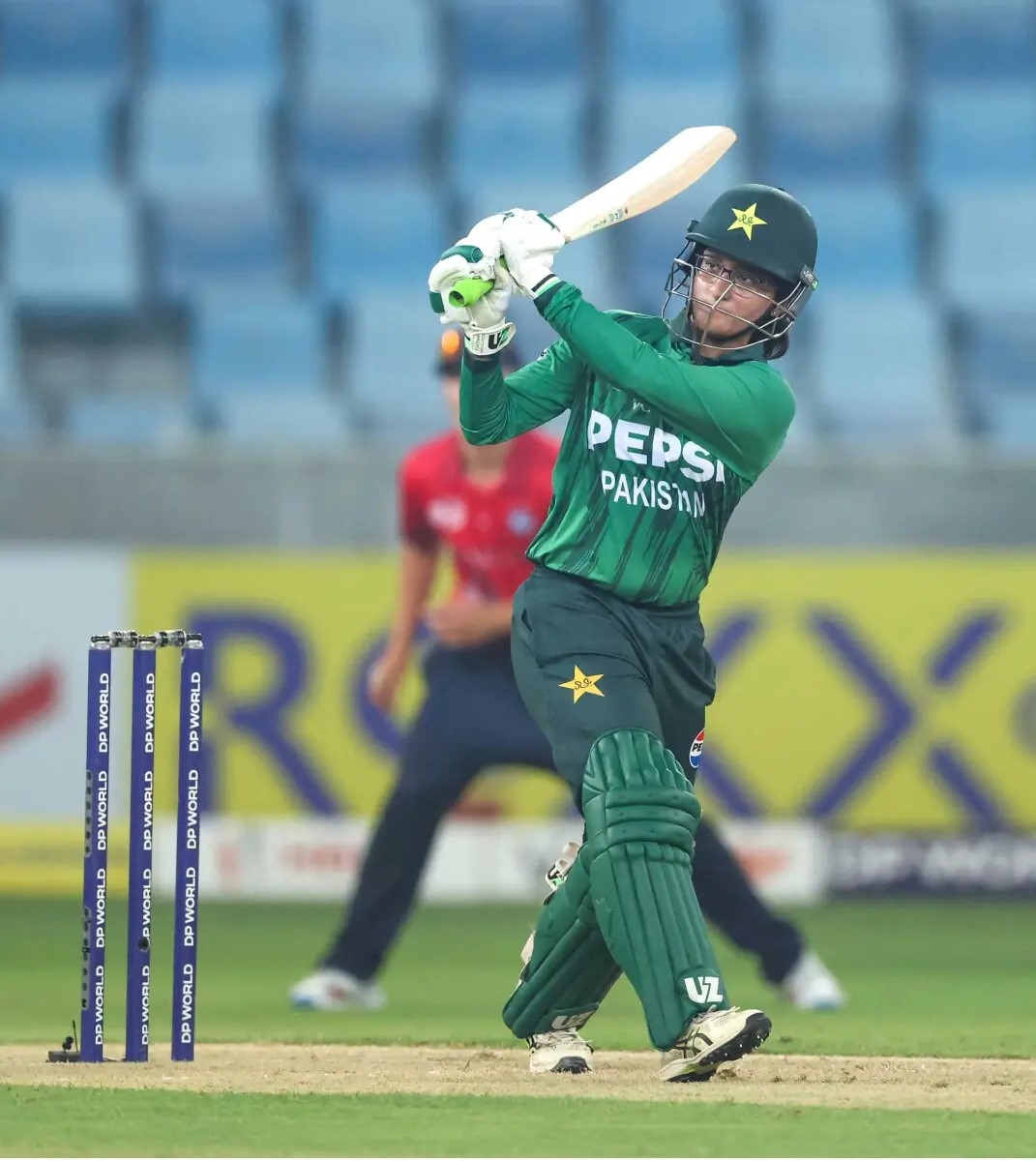
11. Cricket Teamwear
Cricket apparel may require a balance between comfort, movement and durability.
Depending on the garment, consider:
- Breathable fabric
- Moisture management
- Comfortable stretch
- Durable construction
- Suitable weight
- Professional appearance
Cricket teams may also require different products for:
- Match play
- Training
- Travel
- Presentation
Fabric requirements can therefore vary across the collection.
12. Basketball Teamwear
Basketball involves:
- Sprinting
- Jumping
- Rapid changes of direction
- Extended movement
Basketball uniforms should therefore support:
- Lightweight performance
- Breathability
- Freedom of movement
- Moisture management
- Comfortable fit
Mesh-based construction or ventilation zones may be considered depending on the design.
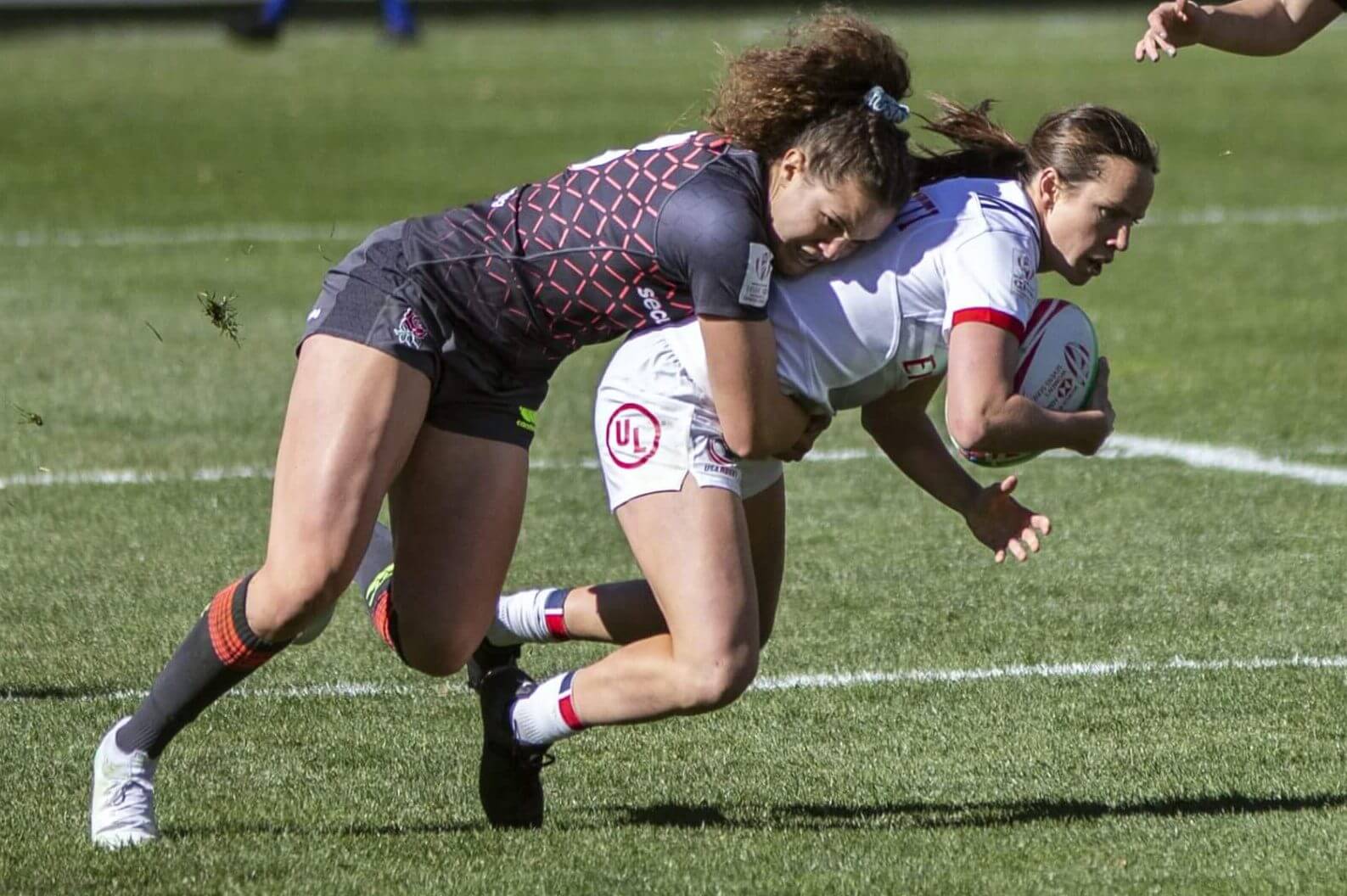
13. Rugby Teamwear
Rugby can place greater demands on garment durability because of physical contact.
Consider:
- Strong fabric construction
- Durable seams
- Abrasion resistance
- Appropriate stretch
- Comfortable fit
- Color durability
- Decoration durability
The fabric should be selected together with suitable garment construction.
A durable fabric alone cannot compensate for weak stitching or inappropriate seam construction.
14. Volleyball Teamwear
Volleyball involves:
- Jumping
- Quick movement
- Repeated arm movement
- Rapid direction changes
Useful characteristics may include:
- Lightweight fabric
- Breathability
- Stretch
- Moisture management
- Comfortable construction
Garments should allow unrestricted movement while remaining comfortable during long matches and training sessions.
15. Running and Athletics Wear
Running apparel often benefits from lightweight construction.
Important characteristics can include:
- Very lightweight fabric
- Breathability
- Moisture management
- Quick drying
- Comfortable movement
- Stretch where required
For competitive running, unnecessary garment weight can be undesirable.
Ventilation zones may also be incorporated depending on the garment.
16. Gym and Fitness Wear
Gymwear often requires flexibility because athletes perform different exercises.
Consider:
- Stretch
- Recovery
- Breathability
- Moisture management
- Comfort
- Durability
- Squat and movement suitability where applicable
Garments may need to move repeatedly without becoming restrictive.
17. Training Wear
Training apparel is often expected to perform across multiple activities.
It may be worn for:
- Warm-ups
- Practice
- Conditioning
- Running
- Gym sessions
- Outdoor training
A versatile fabric can therefore be useful.
Training collections may include:
- Training shirts
- Training shorts
- Joggers
- Training jackets
- Hoodies
- Vests
Each garment can use a different material according to its purpose.
18. Cycling Wear
Cycling requires specialized garment considerations.
Depending on the product, important characteristics can include:
- Stretch
- Moisture management
- Lightweight construction
- Body-contoured fit
- Breathability
- Comfortable recovery
Cycling garments are often designed to follow body movement closely.
Fabric selection should therefore be coordinated with the pattern and garment construction.
19. Tennis and Racquet Sports
Tennis and other racquet sports involve:
- Repeated arm movement
- Sprinting
- Rotation
- Quick directional changes
Fabric selection can therefore prioritize:
- Stretch
- Breathability
- Moisture management
- Lightweight construction
- Comfortable movement
The garment should provide freedom without excessive fabric weight.
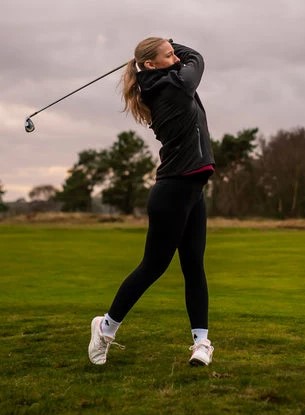
20. Golf Wear
Golf apparel has a different performance profile.
Golfers need:
- Comfortable movement
- Stretch
- Breathability
- Professional appearance
- Moisture management
Polo shirts, trousers, shorts and lightweight jackets can be developed with performance fabrics that combine appearance and comfort.
21. Compression Wear
Compression garments require special consideration.
Important characteristics may include:
- Controlled stretch
- Stretch recovery
- Body-contoured fit
- Comfortable compression
- Moisture management
- Smooth construction
Compression fabric should not be selected based simply on maximum elasticity.
The fabric, pattern and garment construction should work together.
22. Women's Performance Sportswear
Women's teamwear should be developed around appropriate body proportions and intended movement.
Fabric considerations can include:
- Stretch
- Recovery
- Breathability
- Moisture management
- Comfort
- Shape retention
Garment construction should also consider:
- Appropriate fit
- Bust support where applicable
- Waist construction
- Hem placement
- Sleeve design
23. Youth Teamwear
Youth sportswear requires careful consideration of comfort and durability.
Children and young athletes may be highly active and require garments that allow unrestricted movement.
Important characteristics can include:
- Comfortable fabric
- Breathability
- Appropriate stretch
- Durability
- Easy-care performance
- Suitable weight
Sizing should be based on an appropriate youth measurement chart.
24. Consider the Climate
Climate should be part of every fabric decision.
Hot and Humid Climate
Consider:
- Lightweight fabric
- Breathability
- Moisture management
- Quick drying
- Ventilation
Mild Climate
A medium-weight performance fabric may provide a useful balance.
Cold Climate
Consider:
- Layering
- Thermal characteristics
- Heavier fabrics
- Wind protection
- Insulation
For teams that travel internationally, multiple garment layers may provide greater versatility.
25. Fabric Composition
Fabric composition is another important consideration.
Common performance sportswear materials may include polyester-based constructions and blends incorporating materials selected for specific performance characteristics.
The exact composition should be chosen according to:
- Sport
- Garment type
- Performance requirements
- Decoration process
- Desired hand feel
- Durability
- Cost target
The name of a fiber alone does not determine the complete performance of the finished garment.
Fabric construction is equally important.
26. Fabric Construction Matters
Two fabrics with similar fiber composition can behave differently.
Differences can arise from:
- Knit structure
- Yarn characteristics
- Weight
- Density
- Finishing
- Stretch construction
- Surface treatment
For this reason, fabric selection should evaluate the actual material rather than relying only on a generic fabric name.
27. Fabric and Sublimation Printing
For customized teamwear, decoration compatibility is important.
Sublimation is commonly considered for suitable polyester-based fabrics.
It can support:
- Detailed graphics
- Complex patterns
- Gradients
- Team colors
- Sponsor graphics
- Player names
- Numbers
The fabric should be tested or sampled with the intended decoration process before bulk production.
28. Fabric and Embroidery
Embroidery is suitable for selected sportswear applications such as:
- Club polos
- Jackets
- Hoodies
- Training garments
- Team outerwear
The fabric must provide suitable support for the embroidery design.
Large or dense embroidery may behave differently on lightweight stretch fabrics compared with structured garments.
29. Fabric and Heat Transfer
Heat-transfer decoration may be useful for:
- Player numbers
- Names
- Logos
- Sponsor graphics
The selected material should be evaluated for:
- Adhesion
- Stretch compatibility
- Surface behavior
- Washing durability
Decoration and fabric should therefore be developed together.
30. Washing and Care Requirements
Teamwear is frequently washed.
Before finalizing a fabric, consider:
- Washing method
- Temperature
- Drying method
- Color retention
- Shape retention
- Decoration durability
Care instructions should be clearly documented.
For large team orders, practical care instructions can help customers maintain garment appearance throughout the season.
31. Colorfastness and Appearance
Teamwear often depends heavily on brand and team colors.
Fabric should therefore be evaluated for:
- Color consistency
- Colorfastness
- Appearance after washing
- Decoration compatibility
This is particularly important for uniforms with strong brand identities.
32. The Importance of Fabric Testing
Before bulk production, fabric should be evaluated against the intended specification.
Depending on the project, evaluation may cover:
- Weight
- Composition
- Stretch
- Recovery
- Appearance
- Color
- Moisture behavior
- Shrinkage
- Durability
The exact tests should reflect the product requirements.
33. Don't Choose Fabric Based Only on Price
Price is an important commercial consideration, but it should not be the only factor.
A cheaper fabric may provide:
- Lower durability
- Different hand feel
- Lower performance
- Reduced color stability
- Different decoration behavior
A slightly higher-quality fabric may provide better overall value if the product is intended for repeated competitive use.
The correct approach is to balance:
Performance + Comfort + Durability + Appearance + Cost
34. Fabric Selection and Garment Construction
Fabric performance is only one part of the final product.
Construction also affects performance.
Consider:
- Seam placement
- Stitch type
- Panel arrangement
- Ventilation panels
- Collar construction
- Sleeve construction
- Hem
- Waistband
- Reinforcement
A suitable fabric combined with unsuitable construction can still produce a poor garment.
35. Use Sampling to Validate Fabric Selection
A fabric specification on paper cannot tell you everything.
A physical sample allows you to evaluate:
- Actual hand feel
- Fit
- Weight
- Stretch
- Breathability
- Appearance
- Color
- Decoration
- Construction
This is why THE PAK FIT INDUSTRY recommends reviewing a pre-production sample before committing to bulk manufacturing.
36. Compare Fabric Options Before Approval
For important projects, it can be useful to compare several fabric options.
For example:
| Characteristic | Fabric A | Fabric B | Fabric C |
|---|---|---|---|
| Weight | Lightweight | Medium | Lightweight |
| Breathability | High | Medium | High |
| Stretch | Medium | High | Low |
| Durability | Medium | High | Medium |
| Hand Feel | Soft | Structured | Soft |
| Drying | Fast | Medium | Fast |
| Best Use | Matchwear | Training | Running |
The final choice should be based on the actual requirements of the project.
37. Fabric Selection for Matchwear vs Training Wear
Matchwear and training apparel do not necessarily need identical fabrics.
Matchwear
Often prioritizes:
- Lightweight construction
- Breathability
- Moisture management
- Team appearance
Training Wear
May prioritize:
- Durability
- Versatility
- Stretch
- Comfort
- Repeated washing
A complete teamwear collection can therefore use different materials across different garments.
38. Build a Fabric Specification Sheet
A professional fabric specification can include:
Fabric Name: Approved product reference
Composition: Agreed fiber composition
Weight: Approved GSM or equivalent specification
Construction: Knit/woven structure
Stretch: Required direction and level where applicable
Color: Approved reference
Performance: Breathability/moisture requirements
Finishing: Agreed finish
Decoration: Approved decoration compatibility
Testing: Agreed quality checks
This document becomes part of the production reference.
39. Quality Control During Fabric Procurement
Fabric quality should be checked before it reaches garment production.
Possible checks include:
- Roll inspection
- Width
- Weight
- Color
- Surface defects
- Stretch
- Recovery
- Shade consistency
Identifying fabric issues early can prevent larger problems during garment production.
40. Quality Control During Cutting
Once fabric is approved, cutting accuracy becomes important.
Checks can include:
- Pattern accuracy
- Panel dimensions
- Grain direction
- Color matching
- Size identification
- Panel count
Incorrect cutting can affect garment measurements and appearance.
41. Quality Control During Stitching
Stitching checks should cover:
- Seam quality
- Thread tension
- Stitch consistency
- Loose threads
- Seam alignment
- Reinforcement
- Collar
- Sleeves
- Hem
These checks contribute to garment durability.
42. Quality Control for Decoration
For customized teamwear, inspect:
- Logo position
- Logo dimensions
- Color
- Player name
- Player number
- Sponsor placement
- Print clarity
- Embroidery quality
Every customized element should correspond to the approved artwork.
43. Measurement Quality Control
Finished garments should be compared against the approved size chart.
Measurements may include:
- Chest
- Waist
- Hip
- Shoulder
- Sleeve
- Body length
- Inseam
- Outseam
The acceptable production tolerance should be agreed in advance.
44. Final Packing Inspection
Before shipment, check:
- Product type
- Size
- Quantity
- Color
- Player personalization
- Labels
- Packaging
- Carton identification
A packing checklist helps reduce shipment errors.
45. Choosing Fabric for International Teamwear
When supplying sportswear internationally, consider differences in:
- Climate
- Customer expectations
- Sporting environment
- Washing practices
- Product positioning
- Retail requirements
A product intended for a hot-weather market may require a different specification from one designed for a colder region.
46. Questions to Ask Before Selecting a Fabric
Before approving a fabric, ask:
- What sport is the garment for?
- Is it matchwear or training wear?
- What climate will it be used in?
- How intense is the activity?
- Does the garment need stretch?
- How important is breathability?
- Is moisture management required?
- How frequently will it be washed?
- What level of durability is expected?
- Will sublimation be used?
- Will embroidery be used?
- Will heat transfer be used?
- What is the desired hand feel?
- What is the target garment weight?
- What is the expected product price?
- Is a pre-production sample required?
These questions help transform a general sportswear idea into a practical specification.
47. A Practical Fabric Selection Example
Imagine a football club ordering 1,000 customized jerseys for summer competition.
The requirements might be:
Sport: Football
Use: Competitive matches
Climate: Hot and humid
Activity: High intensity
Fabric Priority: Lightweight and breathable
Moisture Requirement: High
Stretch: Moderate
Decoration: Sublimation
Personalization: Names and numbers
Quantity: 1,000
Based on these requirements, the product development process should focus on a lightweight performance fabric with suitable breathability, moisture management and decoration compatibility.
A sample should then be produced and evaluated before bulk production.
48. Another Example: Winter Training Collection
Consider a club developing winter training apparel.
The requirements may be:
Use: Outdoor training
Climate: Cold
Activity: High
Primary Requirement: Warmth and mobility
Additional Requirement: Wind protection
Products: Training jacket, hoodie, joggers
Here, the fabric strategy would be completely different from a lightweight summer match jersey.
This demonstrates why there is no universal "best sportswear fabric."
The best fabric is the one that matches the application.
49. The Best Fabric Is Application-Specific
There is no single fabric that is ideal for every sport.
Instead, fabric selection should be based on:
Sport + Climate + Activity + Garment + Fit + Decoration + Durability + Budget
This approach creates a more practical and reliable product.
50. Why Sampling Is Essential
Sampling provides a bridge between design and manufacturing.
It allows the customer and production team to confirm:
- Fabric
- Color
- Fit
- Construction
- Decoration
- Measurements
- Overall appearance
If changes are required, they can be made before bulk production.
This is considerably more practical than discovering major problems after thousands of garments have been produced.
51. What to Include in a Sportswear Fabric Request
When contacting THE PAK FIT INDUSTRY, provide:
- Sport
- Product type
- Intended use
- Climate
- Quantity
- Fabric preference
- Desired weight
- Stretch requirement
- Breathability requirement
- Moisture-management requirement
- Color
- Decoration method
- Size range
- Delivery destination
- Target delivery date
This allows the production team to recommend a practical fabric direction.
52. A Complete Fabric Selection Checklist
Performance
- Breathability
- Moisture management
- Quick drying
- Stretch
- Stretch recovery
- Durability
- Shape retention
Comfort
- Soft hand feel
- Suitable weight
- Comfortable fit
- Suitable seam construction
Appearance
- Color
- Color consistency
- Decoration compatibility
- Logo appearance
Manufacturing
- Cutting compatibility
- Stitching compatibility
- Sublimation compatibility
- Heat-transfer compatibility
- Embroidery suitability
Quality
- Fabric inspection
- Measurement inspection
- Decoration inspection
- Final garment inspection
- Packing inspection
53. The THE PAK FIT INDUSTRY Approach
At THE PAK FIT INDUSTRY, fabric selection is treated as part of the complete product-development process.
We help customers consider:
Sport
Understanding what the garment needs to do.
Climate
Understanding where the garment will be used.
Activity
Understanding the intensity and duration of use.
Fabric
Selecting appropriate performance characteristics.
Construction
Matching the fabric with the garment design.
Customization
Selecting appropriate decoration processes.
Sampling
Validating the complete product before bulk production.
Quality
Building inspection into the manufacturing process.
This approach helps turn a simple design idea into a more complete production specification.
54. Working With Sportswear's Manufacturer's from Sialkot Pakistan
For customers searching for Sportswear's Manufacturer's from Sialkot Pakistan, clear product specifications are an important part of the manufacturing process.
Instead of simply requesting:
"Please quote custom football shirts."
provide information about:
- Fabric
- Sport
- Climate
- Quantity
- Design
- Sizes
- Decoration
- Personalization
- Packaging
- Quality requirements
- Delivery destination
This makes the quotation and product-development discussion much more productive.
55. From Fabric Selection to Finished Teamwear
The complete process can be summarized as:
1. Understand the Sport
Identify the activity and performance requirements.
2. Understand the Environment
Consider climate, indoor/outdoor conditions and expected use.
3. Select Fabric Characteristics
Determine breathability, moisture management, stretch, durability and comfort requirements.
4. Develop the Design
Prepare artwork, colors, logos and construction details.
5. Develop the Sample
Produce a physical reference garment.
6. Evaluate the Sample
Check fabric, fit, construction, decoration and measurements.
7. Approve the Specification
Confirm the production reference.
8. Begin Bulk Production
Manufacture according to the approved requirements.
9. Inspect Quality
Check fabric, stitching, decoration, measurements and finishing.
10. Pack and Prepare for Shipment
Verify quantities, sizes, personalization and packaging.
56. Final Advice for Teamwear Buyers
The most important lesson is simple:
Do not choose sportswear fabric based only on how it looks.
Choose it according to what the garment needs to do.
For high-intensity sports, prioritize appropriate breathability and moisture management.
For movement-intensive sports, evaluate stretch and recovery.
For contact or repeated-use sports, prioritize durability and construction.
For hot climates, consider lightweight and breathable materials.
For cold conditions, consider layering and thermal requirements.
For customized teamwear, ensure that the fabric works with the selected decoration process.
And before committing to bulk production, evaluate a physical sample.
Conclusion
Choosing the right performance fabric is one of the most important decisions in custom teamwear development.
The ideal fabric is not simply the softest, lightest, strongest or most expensive material. The ideal fabric is the one that provides the right balance of breathability, moisture management, stretch, durability, comfort, appearance and construction for the intended sport and environment.
Football, cricket, basketball, rugby, volleyball, running, cycling, tennis, golf, gym training and other sports all place different demands on sportswear.
Climate also matters.
A garment designed for hot and humid conditions may require a lightweight, breathable and quick-drying fabric, while winter training apparel may require greater warmth and protection.
The garment construction is equally important. Fabric, pattern, stitching, ventilation, decoration and finishing should be considered together.
At THE PAK FIT INDUSTRY, we work with clubs, brands, academies and businesses to turn designs into comfortable, consistent and export-ready sportswear through fabric selection, sampling, customization, manufacturing and quality inspection.
For customers seeking Sportswear's Manufacturer's from Sialkot Pakistan, we believe the strongest projects begin with clear requirements and practical product development.
Choose fabric and construction for the sport, climate and level of activity.
Approve artwork, size grading and a pre-production sample before bulk production.
Build fabric, decoration, measurements and packing checks into the production plan.
Ready to Develop Your Custom Teamwear?
If you are planning a new teamwear collection, custom sports uniform, private-label sportswear range or performance apparel project, start by preparing the essential information.
Send us:
- Your design
- Product type
- Sport
- Quantity
- Size range
- Preferred fabric or performance requirements
- Customization details
- Delivery destination
The THE PAK FIT INDUSTRY team can then review your requirements and provide a practical recommendation for product development, fabric selection, sampling, customization, manufacturing and quality inspection.
Next Steps
Send your design, product type, quantity and delivery destination to our sportswear team for a practical recommendation.
THE PAK FIT INDUSTRY
Performance Fabrics • Custom Teamwear • Sampling • Customization • Manufacturing • Quality Inspection • Export-Ready Sportswear
Your Sport. Your Design. Your Performance Requirements. Developed Into Professional Custom Teamwear.